Barbacena, Minas Gerais
City of Roses · Campo das Vertentes
Barbacena lies in the Serra da Mantiqueira, in central Minas. It grew up along the Caminho Novo of the Estrada Real and has strong ties to the Inconfidência Mineira. It is known as the Cidade das Rosas (City of Roses), for its flower production, and also for the history of the former Hospital Colônia, now remembered at the Museu da Loucura. The city has a mild climate and notable schools, such as EPCAr and the IF Sudeste MG campus.
Barbacena at a glance
- Population: 125 thousand
- Area: 759 km²
- Elevation: 1.135 m
- Distance from Belo Horizonte: 169 km
- Demonym: barbacenense
- Founded: 1791 (village); town in 1840
- Region: Zona da Mata and Vertentes
- Tourism region: IGR Trilha dos Inconfidentes
- Area code: 32
- IBGE code: 3105608
Barbacena is part of the tourism region IGR Trilha dos Inconfidentes.
History
The region was inhabited by the Puri people. Colonization began in the 17th century, with bandeirantes from São Paulo searching for gold and precious stones. The Fazenda da Borda do Campo, along the Caminho Novo of the Estrada Real, held a sesmaria (land grant) from 1703. In 1711, the site hosted Governor Antônio de Albuquerque and his army on their way to Rio de Janeiro.
The settlement was founded in 1725, with the Freguesia de Nossa Senhora da Piedade. The vila (town) was established on August 14, 1791, and the city on March 9, 1840. Five of the inconfidentes (conspirators) had ties to the settlement, and the Fazenda da Borda do Campo served as a meeting point. The town joined the Liberal Revolution of 1842 and, in 1893, hosted the session of the Minas Gerais Congress that dealt with moving the capital to Belo Horizonte.
Starting in 1888, Italian immigrants arrived through the Colônia Rodrigo Silva and boosted farming, commerce and sericulture. In 1903 the Hospital Colônia was founded; it became one of the largest psychiatric hospitals in the country and was marked by serious human rights violations. It was closed in the 1980s, and the space became the Museu da Loucura in 1996.
Timeline
- 1703 · Sesmaria grant for the Fazenda da Borda do Campo
- 1725 · Founding of the settlement and of the Freguesia de Nossa Senhora da Piedade
- 1791 · Creation of the vila (town), on August 14
- 1840 · Elevated to city status, on March 9
- 1888 · Arrival of Italian immigrants through the Colônia Rodrigo Silva
- 1893 · The Minas Gerais Congress debates moving the capital
- 1903 · Founding of the Hospital Colônia
- 1910 · Creation of the Aprendizado Agrícola, today's IF Sudeste MG
- 1996 · Opening of the Museu da Loucura
- 2022 · Beatification of Isabel Cristina, a young woman from Barbacena
Things to do in Barbacena: attractions
Museu da Loucura
Museum
Housed in the former Hospital Colônia, it tells the history of psychiatry and of the abuses suffered there. It opened in 1996.
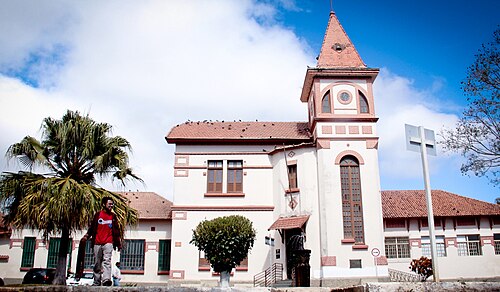
Basílica de São José Operário
Church
Built between 1950 and 1958, it is one of the city's architectural landmarks.
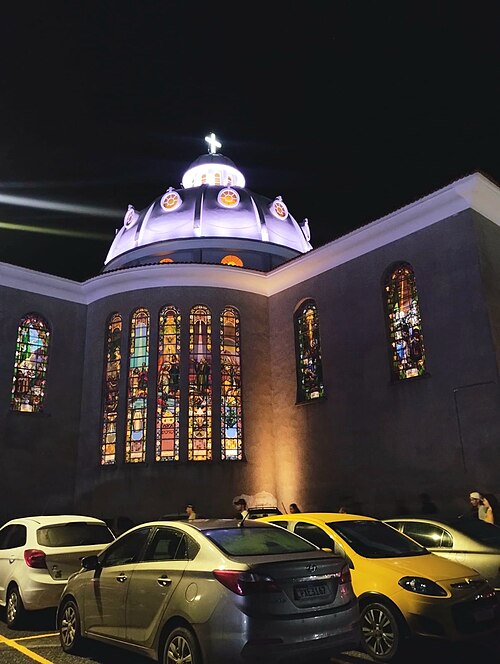
Igreja Matriz de Nossa Senhora da Piedade
Church
Historic mother church whose construction was completed in 1764.
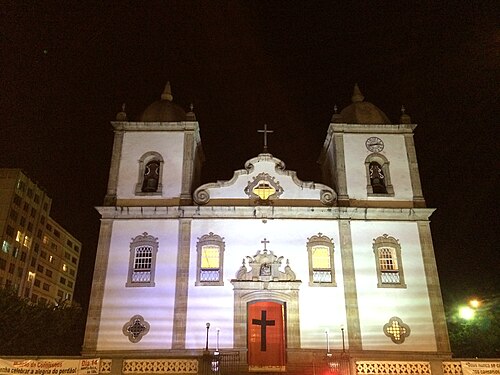
Culture House (former Old Jail)
Museum
Building listed by IEPHA in 1983. It houses the Biblioteca Pública Municipal Honório Armond.
Centro Ferroviário de Cultura
Museum
Located in the old station, it offers courses and an art gallery.
Fórum Mendes Pimentel
Square
Building opened in 1923, tied to the city's republican history.
Memorial Beata Isabel Cristina
Museum
Space dedicated to the young Barbacena native beatified in 2022.
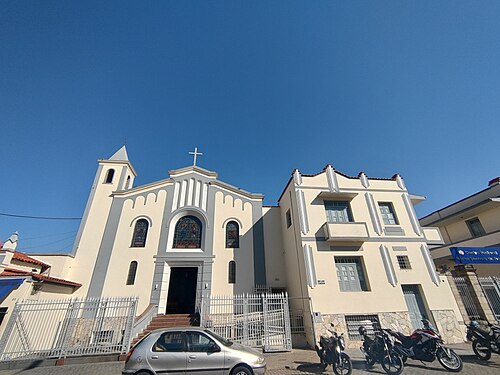
Monte Mário neighborhood viewpoint
Viewpoint
Spot with a view of the city.
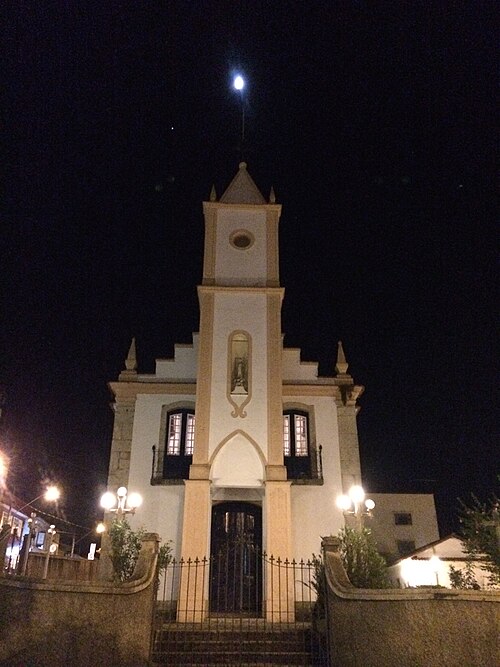
Igreja de Nossa Senhora do Rosário
Church
Historic church downtown.
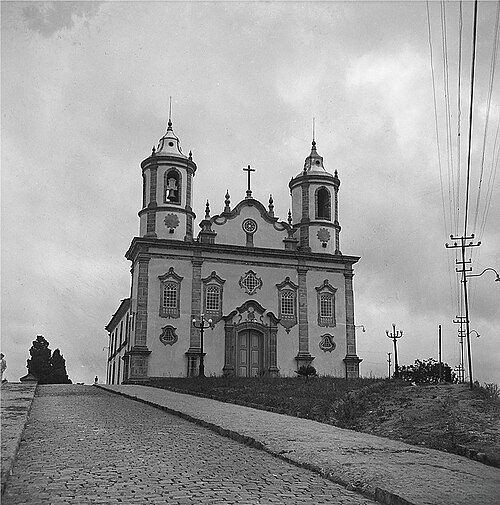
Igreja da Boa Morte
Church
Historic church downtown.
Heritage
- Culture House (former Public Jail) · Listed by IEPHA in 1983.
- Igreja Matriz de Nossa Senhora da Piedade · 18th-century mother church.
- Solar dos Andradas · Colonial mansion, part of the city's historic heritage.
Nature
- Serra da Mantiqueira · The city sits in the mountain range, with a landscape of mountains and fields.
Rivers and waters
- River basin: Grande River Basin
- Rivers: Rio das Mortes
- Springs: The town was born at the headwaters of the Rio das Mortes.
Climate
- Type: Temperate oceanic (Cfb)
- Winter: Cold, with a record low of -3.8 °C in 1923
- Summer: Mild and rainy
- Best time to visit: April to October, in dry weather; October brings the Festa das Rosas
Typical food
- Mineiro cooking · Restaurants serving Minas, Italian, Arab and Asian food.
- Roses and European fruits · Local produce that is exported, a hallmark of the rural economy.
- Milk and dairy products · Dairy farming is an important activity.
- Artisanal Minas Cheese (Campo das Vertentes region) · Barbacena is part of the Campo das Vertentes region, recognized by IMA as a producer of this cheese (IMA Ordinance No. 1022).
Chefs from Barbacena
- Mauro Cesar de Paula · Hotel-Escola Senac Grogotó. Executive chef of the training hotel.
Flavors of Minas: typical dishes and chefs
Festivals and events
- Jubileu de São José (Apr) · Traditional religious festival.
- Agricultural Fair (May) · Agricultural and livestock fair.
- Festa das Rosas (Oct) · Celebrates the flower growing that made the city famous.
Fun facts
- The coat of arms features an outstretched arm, in memory of Tiradentes' arm.
- It received the title of Nobre e Muito Leal (Noble and Most Loyal) by an 1823 decree.
- IF Sudeste MG, founded in 1910, was the first agricultural school in Brazil.
- EPCAr was rated the best public high school in the country in IDEB 2023.
- The book Holocausto Brasileiro, by Daniela Arbex, is about the Hospital Colônia.
Getting there
- Belo Horizonte · 169 km by road
Districts
- Colônia Rodrigo Silva
- Correia de Almeida
- Costas da Mantiqueira
- Faria
- Galego
- Mantiqueira do Palmital
- Padre Brito
- Pinheiro Grosso
- Ponte do Cosme
- Ponto Chique do Martelo
- São Sebastião dos Torres
- Senhora das Dores
Notable people from Barbacena
- Isabel Cristina · Young woman from Barbacena born in 1962, murdered in 1982 and beatified in 2022
- Domingos Vidal Barbosa Lage · Inconfidente linked to the settlement of Barbacena
- Francisco Antônio de Oliveira Lopes · Inconfidente linked to Barbacena
- Joaquim Silvério dos Reis · Informer against the Inconfidência, who lived in the parish
- Camilo Ferreira Armond · Conde de Prados, linked to the town
People born in Barbacena
- Abgar Renault · Writer, poet, politician · 1901–1995
- Adailton da Silva Marques · Político brasileiro · b. 1963
- Alberto Augusto Diniz · Brazilian politician · 1868–1956
- Aloysio Marinho de Paula · Político brasileiro · b. 1951
- Alípio Napoleão de Andrada Serpa
- Amarilio Augusto de Andrade · Político brasileiro · b. 1942
- Amin Feres · Opera singer · 1934–2006
- Angela Maria Kilson · Política brasileira · b. 1963
- Antônio Carlos Doorgal de Andrada · Político do Brasil · b. 1961
- Antônio Carlos Lafayette de Andrada · Juiz · 1900–1974
- Antônio Carlos Ribeiro de Andrada · Brazilian lawyer, journalist and politician · 1870–1946
- Augusto Cid de Mello Périssé · Biochemist · 1917–2008
- Basílio de Magalhães · Basílio de Magalhães was a Brazilian historian, folklorist, journalist, teacher and politician, a pioneer of folklore studies in Brazil and author of important works on the country's history and territorial formation · 1874–1957
- Belisário Augusto de Oliveira Pena
- Belisário Penna · Brazilian public health physician, former minister of education · 1868–1939
- Bonifácio José Tamm de Andrada · Brazilian politician · 1930–2021
- Camilo Maria Ferreira Armond · Brazilian politician
- Carlos Alberto Sá Grise · Político brasileiro · b. 1961
- Carlos Augusto Soares do Nascimento · Político brasileiro · b. 1991
- Carlos Roberto Batista · Político brasileiro · b. 1971
- Claudionor Cunha · 1910–1973
- Coronel Henrique · Político brasileiro · b. 1968
- Crispim Jacques Bias Fortes · Brazilian politician · 1923–2009
- Cândido Ferreira da Fonseca
- César Burnier · 1900–1989
- Dante Martins Teixeira · Ornitólogo brasileiro · b. 1957
- Diego Fumaça · Futebolista brasileiro · b. 1994
- Doorgal Andrada
- Edivaldo José de Souza · Político do Brasil · b. 1974
- Ernani Mauro Costa Cândido · Futebolista brasileiro · b. 1986
- Ewerton Jose Duarte Horta Junior · Político brasileiro · b. 1991
- Fernando Sasso · 1936–2005
- Flausino Vale · Composer, violinist, music teacher · 1894–1954
- Flavio Barbosa da Silva · Político do Brasil · b. 1959
- Francisco Rodrigues Pereira Júnior · Político brasileiro · b. 1894
- Gracia Maria Araújo Gomes · Política do Brasil · b. 1957
- Henrique Augusto de Oliveira Diniz · Brazilian politician
- Honório Augusto José Ferreira Armond
- Hélio Costa · Político brasileiro · b. 1939
- Ilson Guilherme de Sá · Político brasileiro · b. 1968
- Inácio de Sousa Vernek · 1742–1828
- Ivan Ângelo · Escritor, jornalista · b. 1936
- Jose Eduardo da Silva · Político brasileiro · b. 1964
- Jose Newton de Faria · Político brasileiro · b. 1966
- José Antônio Nunes Magri · Político brasileiro · b. 1962
- José Antônio Pereira · Explorer · 1825–1900
- José Artur Filardi · Advogado brasileiro · b. 1959
- José Bonifácio de Andrada e Silva · Brazilian politician
- José Bonifácio Lafayette de Andrada · Brazilian lawyer and politician, 29th president of the Chamber of Deputies · 1904–1986
- José Eudes Campos do Nascimento · Padre católico, bispo católico, diácono · b. 1966
- José Francisco Bias Fortes · Brazilian lawyer and politician · 1891–1971
- José Joaquim Corrêa de Almeida · Presbyter and poet from Minas Gerais · 1820–1905
- José Jorge Emidio · Político brasileiro · b. 1960
- José Maria de Andrada Serpa · Brazilian army general, former chief minister of the Armed Forces General Staff · 1915–1979
- José Ribeiro Navarro · Brazilian politician
- José Rodrigues de Lima Duarte · Brazilian politician · 1826–1896
- João Navarro · Brazilian politician
- João Tostes · Músico, compositor e educador brasileiro · b. 1983
- Leonardo Miggiorin · Ator brasileiro · b. 1982
- Luis Álvaro Abrantes Campos · Político brasileiro · b. 1969
- Luiz de França · 1946–2017
- Luiz Gonzaga de Oliveira · Político do Brasil · b. 1962
- Lúcia Miguel Pereira · Writer, biographer, journalist · 1901–1959
- Manoel de Castro Guimarães · Brazilian politician
- Manoel Ribeiro Nunes
- Marcelino de Brito Pereira de Andrade
- Marcelino José Ferreira Armond · Politician · 1783–1850
- Marciano Bernardes da Fonseca
- Maria Auxiliadora de Souza Brasil · Brazilian psychologist
- Maria Guilhermina de Oliveira Pena · 6.ª Primeira-dama da República Federativa do Brasil · 1857–1929
- Maria Heloisa Ferreira Pinto · Política brasileira · b. 1948
- Maria Sabina · Brazilian writer · 1898–1991
- Mariano Procópio · Brazilian politician · 1821–1872
- Marilene de Almeida Franco · Política do Brasil · b. 1961
- Martim Francisco · Brazilian football coach · 1928–1982
- Martim Francisco Lafayette de Andrada
- Milton Roman · Político brasileiro · b. 1963
- Miriam Chnaiderman
- Márcio Zeferino Ferreira · Político do Brasil · b. 1968
- Nivaldo dos Santos Ferreira · Padre católico, bispo católico, diácono · b. 1967
And 17 more names in Notable people of Minas Gerais.
City hall
- Mayor: Carlos Augusto Soares do Nascimento (Carlos Du) (PSD), term 2025–2028
- Address: Rua Silva Jardim, 340, Boa Morte, Barbacena, MG, CEP 36201-004
- Phone: (32) 3198-1000
- Opening hours: 08h às 17h
- Website: www1.barbacena.mg.gov.br
Frequently asked questions
Where is Barbacena?
Barbacena is a municipality in the state of Minas Gerais, Brazil, in the Zona da Mata and Vertentes region, 169 km from Belo Horizonte.
What is there to do in Barbacena?
The attractions of Barbacena include Museu da Loucura, Basílica de São José Operário, Igreja Matriz de Nossa Senhora da Piedade, Casa da Cultura (antiga Cadeia Velha), Centro Ferroviário de Cultura, Fórum Mendes Pimentel.
What is the population of Barbacena?
Barbacena has about 125 thousand inhabitants in an area of 759 km².
What is the typical food of Barbacena?
Mineiro cooking (Restaurants serving Minas, Italian, Arab and Asian food); Roses and European fruits (Local produce that is exported, a hallmark of the rural economy); Milk and dairy products (Dairy farming is an important activity); Queijo Minas Artesanal (Região do Campo das Vertentes) (Barbacena is part of the Campo das Vertentes region, recognized by IMA as a producer of this cheese (IMA Ordinance No. 1022)).
When is the best time to visit Barbacena?
April to October, in dry weather; October brings the Festa das Rosas. The climate is temperate oceanic (cfb).
How do you get to Barbacena?
Belo Horizonte: 169 km by road.
Who was born in Barbacena?
Notable people from Barbacena include Isabel Cristina, Domingos Vidal Barbosa Lage, Francisco Antônio de Oliveira Lopes, Joaquim Silvério dos Reis, Camilo Ferreira Armond, Abgar Renault (writer, poet, politician), Adailton da Silva Marques (brazilian politician), Alberto Augusto Diniz (brazilian politician).
Which tourism region is Barbacena part of?
Barbacena is part of IGR Trilha dos Inconfidentes, one of the 47 official tourism regions of Minas Gerais, with 25 municipalities.
What are the festivals of Barbacena?
Jubileu de São José (Apr), Exposição Agropecuária (May), Festa das Rosas (Oct).
What are people from Barbacena called?
People born in Barbacena are called barbacenense.
Towns near Barbacena
- Alfredo Vasconcelos · 8 km in a straight line
- Antônio Carlos · 11 km in a straight line
- Ressaquinha · 18 km in a straight line
- Barroso · 21 km in a straight line
- Santa Bárbara do Tugúrio · 22 km in a straight line
- Desterro do Melo · 28 km in a straight line
- Senhora dos Remédios · 29 km in a straight line
- Dores de Campos · 29 km in a straight line