Serro, Minas Gerais
Brazil's first heritage-listed town · Serra do Espinhaço
Serro is one of the oldest towns in Minas Gerais, born from the discovery of gold in 1702 in the Serra do Espinhaço. In 1938 its townscape became the first in Brazil to be listed by IPHAN. 18th-century churches, colonial mansions and steep stone streets make up the historic center. The town is the birthplace of queijo do Serro (an artisanal raw-milk cheese), whose traditional way of making is heritage of Minas, of Brazil and, since 2024, of UNESCO. The districts of Milho Verde and São Gonçalo do Rio das Pedras lie on the way to Diamantina.
Serro at a glance
- Population: 22 thousand
- Area: 1.217,8 km²
- Elevation: 835 m
- Distance from Belo Horizonte: 330 km
- Demonym: serrano
- Founded: 1714
- Region: North and Northwest
- Tourism region: IGR Diamantes
- Area code: 38
- IBGE code: 3167103
Serro is part of the tourism region IGR Diamantes.
History
The region was called Ivituruí, an Indigenous name that gave rise to Serro do Frio. Bandeirantes (colonial explorers) from São Paulo arrived around 1701 in search of gold, gemstones and Indigenous people. Gold was found in the Córrego Quatro Vinténs, and the African woman Jacinta de Siqueira appears in the accounts as a central figure in the founding of the settlement.
In 1714 the settlement became Vila do Príncipe, split off from Sabará. The town was the seat of the vast comarca (judicial district) of Serro Frio and gained a Casa de Fundição (smelting house) to collect the quinto, the royal one-fifth tax on gold. Diamonds were found in 1729 and 1730, which led to the rise of Diamantina.
With the end of mining, in the early 19th century, the economy shifted to cattle ranching and farming. The naturalist Saint-Hilaire visited the town in 1817. In 1838 it became a city under the name Serro, and in 1842 Teófilo Ottoni led the Liberal Revolution there.
With no railroad, the town remained isolated and preserved its colonial houses. On April 8, 1938, IPHAN listed its architectural and urban ensemble. In the 20th century, dairy farming cemented the fame of queijo do Serro.
Timeline
- 1702 · Official discovery of gold and founding of the settlement
- 1714 · Raised to Vila do Príncipe
- 1720 · Seat of the comarca of Serro Frio and creation of the Casa de Fundição
- 1729 · Discovery of diamonds in the region
- 1768 · Construction of the Igreja de Nossa Senhora do Carmo begins
- 1817 · Visit by the naturalist Auguste de Saint-Hilaire
- 1838 · Raised to city status under the name Serro
- 1842 · Liberal Revolution led by Teófilo Ottoni
- 1938 · First urban ensemble in Brazil listed by IPHAN
- 2024 · The traditional way of making artisanal queijo Minas is added to the UNESCO list
Things to do in Serro: attractions
Igreja de Santa Rita
Church · Historic center
An 18th-century chapel at the top of a long staircase, with views of the Pico do Itambé.
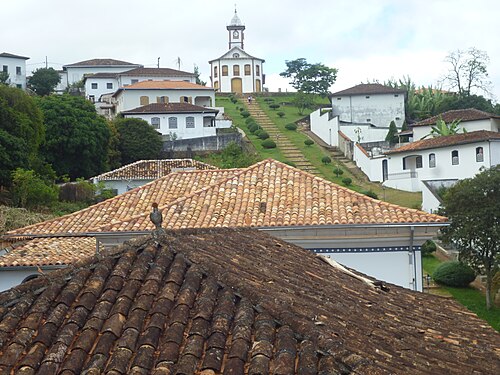
Matriz de Nossa Senhora da Conceição
Church · Ladeira da Matriz
A parish church listed by IPHAN, influenced by the São Francisco de Assis church in Ouro Preto.
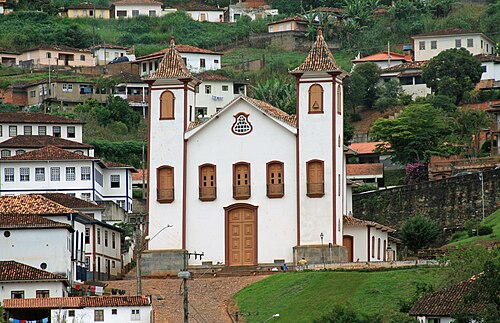
Igreja de Nossa Senhora do Carmo
Church · Historic center
A church built starting in 1768, listed by IPHAN.
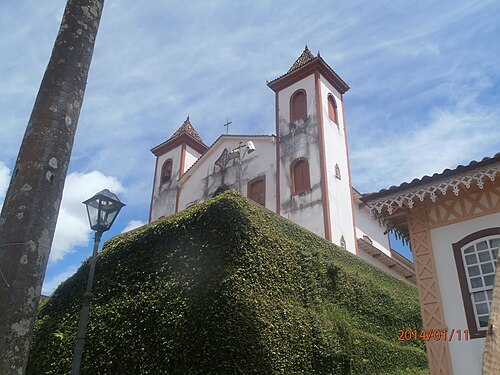
Igreja do Bom Jesus de Matozinhos
Church · Next to the Museu Casa dos Ottoni
A Rococo-style church with paintings by Silvestre de Almeida Lopes.
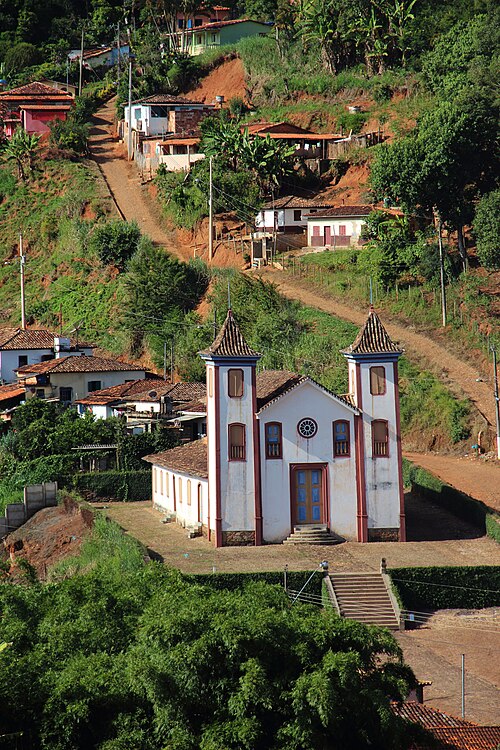
Museu Regional Casa dos Ottoni
Museum · Ladeira da Matriz
An 18th-century mansion of the Ottoni family, with furniture and objects from the 18th and 19th centuries.
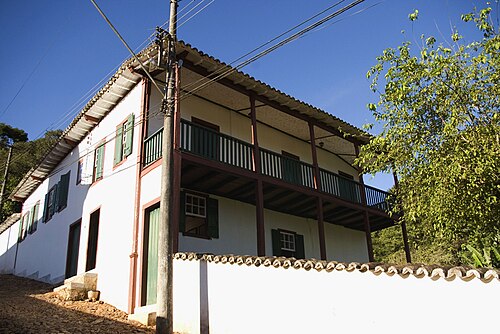
Chácara do Barão do Serro
Mansion · Rua Padre João Moreira
A manor house linked to the Barão do Serro, near the Casa do Barão de Diamantina.
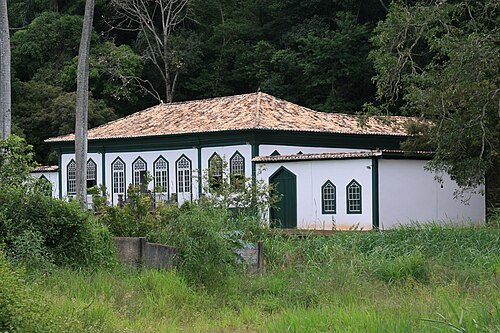
Praça João Pinheiro
Square · Town center
A square with colonial mansions, imperial palms and the town hall townhouse.
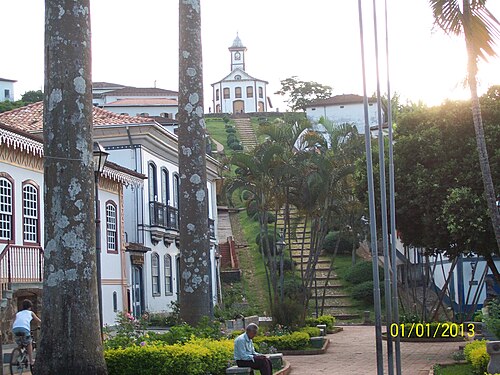
Pico do Itambé
Nature · About 20 km from the center
A 2,044-meter peak, protected by a state park created in 1998 and listed by IEPHA.
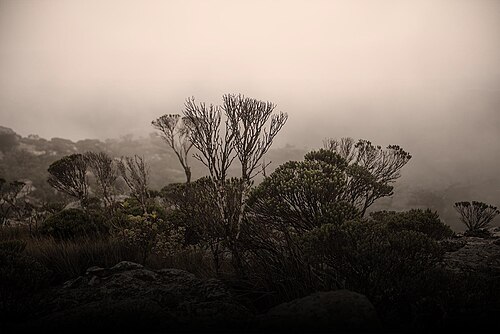
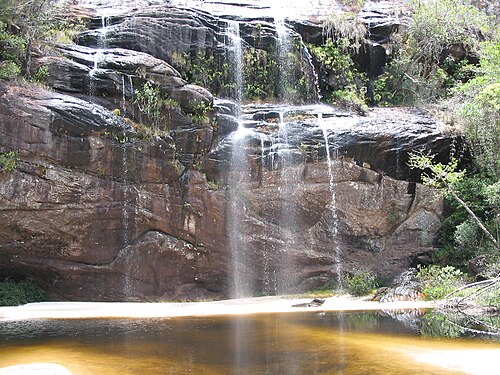
Cachoeira do Tempo Perdido
Waterfall · Capivari
One of more than a hundred waterfalls in the municipality, in the hamlet of Capivari, at the foot of the Itambé.
Milho Verde
Village · A 25 km da sede
A district between Serro and Diamantina, with waterfalls and colonial architecture.
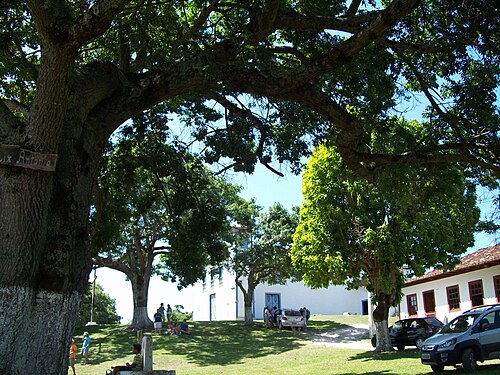
São Gonçalo do Rio das Pedras
Village · A 30 km da sede
A district with a colonial ensemble listed by IPHAN and nearby waterfalls.
Heritage
- Architectural and urban ensemble of Serro · Listed by IPHAN in 1938, the first in Brazil.
- Matriz de Nossa Senhora da Conceição · Parish church listed by IPHAN.
- Igreja de Nossa Senhora do Carmo · 18th-century church listed by IPHAN.
- Casa dos Ottoni · Mansion listed by IPHAN, now a regional museum.
- Pico do Itambé · Listed by IEPHA.
- Traditional way of making Serro cheese · Intangible heritage of Minas since 2002, registered by IPHAN and recognized by UNESCO in 2024.
Nature
- Serra do Espinhaço · The town lies in the central part of the Espinhaço.
- Parque Estadual do Pico do Itambé · A 4,696-hectare protected area created in 1998.
- APA das Águas Vertentes · An environmental protection area in the region.
- Waterfalls · The municipality has more than a hundred waterfalls, such as Moinho, Lajeado, Carijó and Tempo Perdido.
Rivers and waters
- River basin: Jequitinhonha River Basin
- Rivers: Rio Jequitinhonha, Córrego Quatro Vinténs, Córrego Lucas
- Springs: The municipality lies near the headwaters of the Jequitinhonha River.
Climate
- Type: Highland tropical (Cwa)
Typical food
- Serro cheese · Made with raw milk and aged on wooden shelves. It is the symbol of the town.
- Homemade Minas food · Served in simple restaurants downtown.
Chefs from Serro
- Adriana Fernandes · Santa Matula. In São Gonçalo do Rio das Pedras. The restaurant is named after her grandmother.
- Simone Cardoso · Quintal de Vó. Cooks with herbs from the garden.
Flavors of Minas: typical dishes and chefs
Festivals and events
- Feast of Nossa Senhora do Rosário (Jul) · A religious festival over a century old.
- Festa do Queijo (Sep) · A celebration of queijo do Serro on the September 7 holiday.
- Festa do Divino · A traditional religious festival in town (Feast of the Holy Spirit).
- Festa do Cavalo · A traditional gathering tied to cattle ranching.
Fun facts
- The name comes from Ivituruí, the Indigenous name for the mountain range, which became Serro do Frio.
- The town was the seat of the comarca of Serro Frio, the largest in Minas in the 18th century.
- Saint-Hilaire praised the town's churches and religious festivals in 1817.
- Serro is part of the Caminho dos Diamantes of the Estrada Real.
Getting there
- Belo Horizonte · About 330 km via BR-040, BR-135 and BR-259, or via MG-010, in 4 to 5 hours
- Diamantina · 90 km via the paved BR-259, about 1h30
Districts
- Deputado Augusto Clementino
- Milho Verde
- Pedro Lessa
- São Gonçalo do Rio das Pedras
- Três Barras da Estrada Real
Notable people from Serro
- Jacinta de Siqueira · African woman regarded as a central figure in the founding of the settlement
- Teófilo Ottoni · Liberal politician born in the village, leader of the Revolution of 1842
- João Pinheiro da Silva · Republican politician, president of Minas Gerais
- Pedro Lessa · Jurist and justice of the Supremo Tribunal Federal
- Lobo de Mesquita · Composer and organist of the colonial period
- General Gomes Carneiro · Soldier who fought in the Paraguayan War and the Federalist Revolution
- Sabino Barroso · Sabino Alves Barroso Júnior (1859–1919), born in São Sebastião dos Correntes, then part of Serro and today Sabinópolis. He presided over the Câmara dos Deputados and was finance minister in 1914
People born in Serro
- Adolfo Araújo · Brazilian journalist · 1873–1915
- Alírio Sales Coelho · Brazilian politician · 1904–1975
- Antônio Augusto de Queiroga · Brazilian lawyer, poet and repentista (improvising singer) · 1811–1855
- Antônio Cândido da Cruz Machado · Brazilian politician · 1820–1905
- Antônio Ernesto Gomes Carneiro · Military officer · 1846–1894
- Antônio Olinto dos Santos Pires · Brazilian politician · 1860–1925
- Assusete Magalhães
- Belmiro de Almeida · Brazilian painter and caricaturist, 1858-1935 · 1858–1935
- Bernardino José de Queiroga Júnior · Brazilian politician · 1800–1866
- Carlos Honório Benedito Ottoni · Writer, politician · 1846–1919
- Carlos Nunes · Ator brasileiro · b. 1947
- Caxi Rajão · Compositor · b. 1955
- Cristiano Benedito Ottoni · Brazilian engineer and politician · 1811–1896
- Dario Augusto Ferreira da Silva · Brazilian writer · 1859–1927
- Edmundo Pereira Lins · Brazilian journalist · 1863–1944
- Epaminondas Nunes D'avila e Silva · Catholic priest, Catholic bishop · 1869–1935
- Felisberto Gomes Caldeira · 1786–1824
- Francisco José de Vasconcelos Lessa · Brazilian politician · 1798–1862
- Garcia Rodrigues Pais · Sertanista · ?–1738
- Herculano Ferreira Pena · Brazilian politician · 1800–1867
- Ifigênio Sales · Brazilian politician · 1877–1939
- Jairo Monteiro da Cunha Magalhães · Brazilian politician · 1929–1987
- Joaquim Felício dos Santos · Politician, journalist · 1822–1895
- Josefino Vieira Machado · Brazilian businessman · 1812–1879
- José Elói Ottoni · Brazilian poet · 1764–1851
- José Joaquim Ferreira Rabelo · Brazilian politician · 1832–1910
- José Pedro de Araújo Costa · Bishop of the Catholic Church · 1913–1996
- João Antônio dos Santos · Bishop of Diamantina · 1818–1905
- João Evangelista de Negreiros Saião Lobato · Brazilian judge · 1817–1894
- Lafayette da Costa Coelho · Catholic priest · 1886–1961
- Leopoldo da Silva Pereira · 1868–1932
- Murilo Araújo · Writer, poet · 1894–1980
- Oswaldo França Júnior · Writer, novelist · 1936–1989
- Salomé de Queiroga · Poet from Minas Gerais · 1809–1878
- Simão Pires Sardinha
- Valentim da Fonseca e Silva · Brazilian architect · 1745–1813
City hall
- Mayor: Epaminondas Pires de Miranda (Nondas Miranda) (PL), term 2025–2028
- Address: Praça João Pinheiro, 154, Centro, Serro (MG), CEP 39150-000
- Phone: (38) 3541-1368
- Opening hours: Monday to Friday, 9:00 to 15:00
- Website: www.serro.mg.gov.br
Frequently asked questions
Where is Serro?
Serro is a municipality in the state of Minas Gerais, Brazil, in the North and Northwest region, 330 km from Belo Horizonte.
What is there to do in Serro?
The attractions of Serro include Igreja de Santa Rita, Matriz de Nossa Senhora da Conceição, Igreja de Nossa Senhora do Carmo, Igreja do Bom Jesus de Matozinhos, Museu Regional Casa dos Ottoni, Chácara do Barão do Serro.
What is the population of Serro?
Serro has about 22 thousand inhabitants in an area of 1.217,8 km².
What is the typical food of Serro?
Queijo do Serro (Made with raw milk and aged on wooden shelves. It is the symbol of the town); Comida mineira caseira (Served in simple restaurants downtown).
How do you get to Serro?
Belo Horizonte: About 330 km via BR-040, BR-135 and BR-259, or via MG-010, in 4 to 5 hours. Diamantina: 90 km via the paved BR-259, about 1h30.
Who was born in Serro?
Notable people from Serro include Jacinta de Siqueira, Teófilo Ottoni, João Pinheiro da Silva, Pedro Lessa, Lobo de Mesquita, General Gomes Carneiro, Sabino Barroso, Adolfo Araújo (brazilian journalist).
Which tourism region is Serro part of?
Serro is part of IGR Diamantes, one of the 47 official tourism regions of Minas Gerais, with 13 municipalities.
What are the festivals of Serro?
Feast of Nossa Senhora do Rosário (Jul), Festa do Queijo (Sep), Festa do Divino, Festa do Cavalo.
What are people from Serro called?
People born in Serro are called serrano.
Towns near Serro
- Alvorada de Minas · 15 km in a straight line
- Santo Antônio do Itambé · 17 km in a straight line
- Presidente Kubitschek · 20 km in a straight line
- Sabinópolis · 32 km in a straight line
- Serra Azul de Minas · 34 km in a straight line
- Datas · 34 km in a straight line
- Materlândia · 36 km in a straight line
- Congonhas do Norte · 39 km in a straight line